
An Elderly Woman Tried to Pay for Her Pizza With a Bag of Coins—What I Did Next Changed Everything

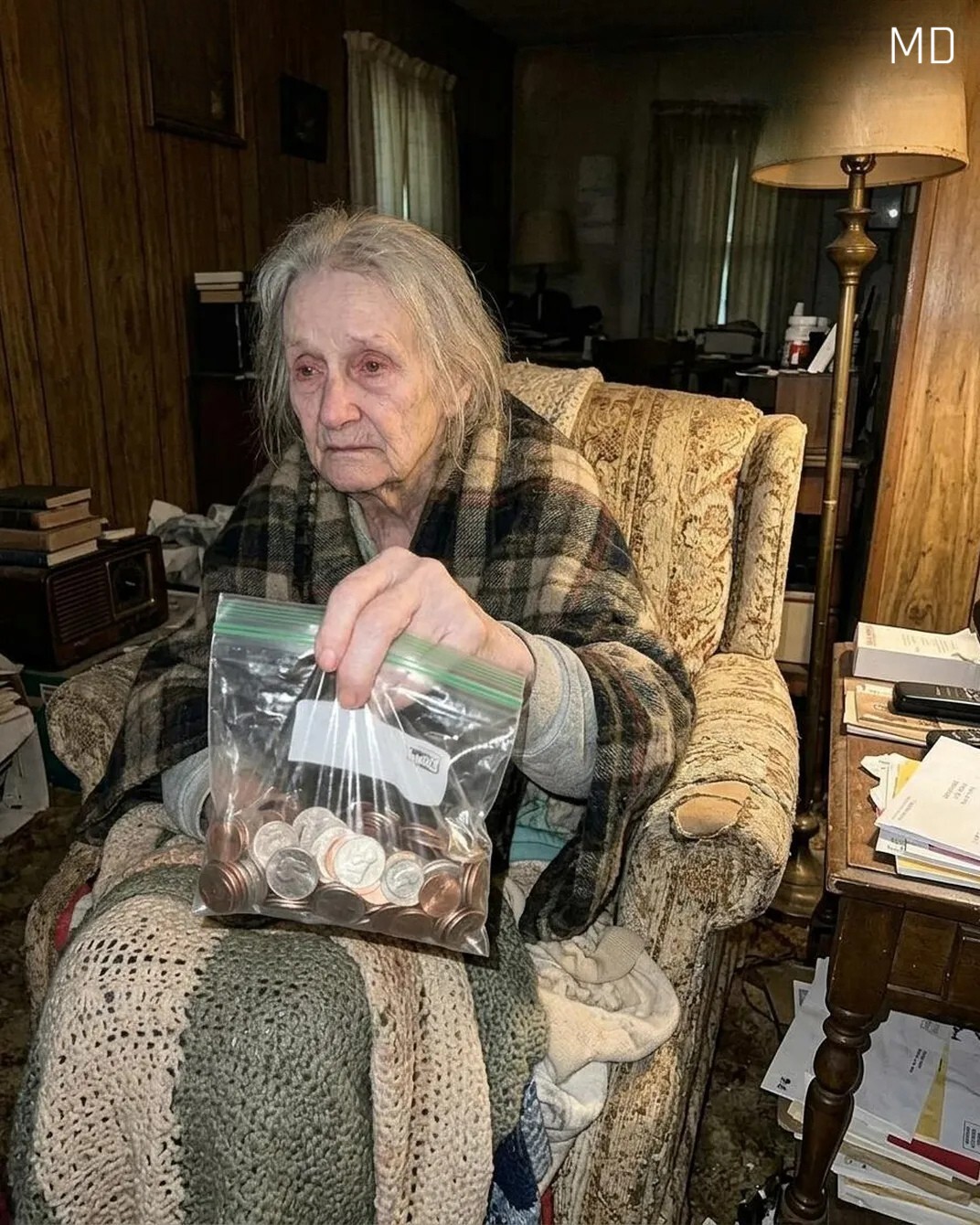
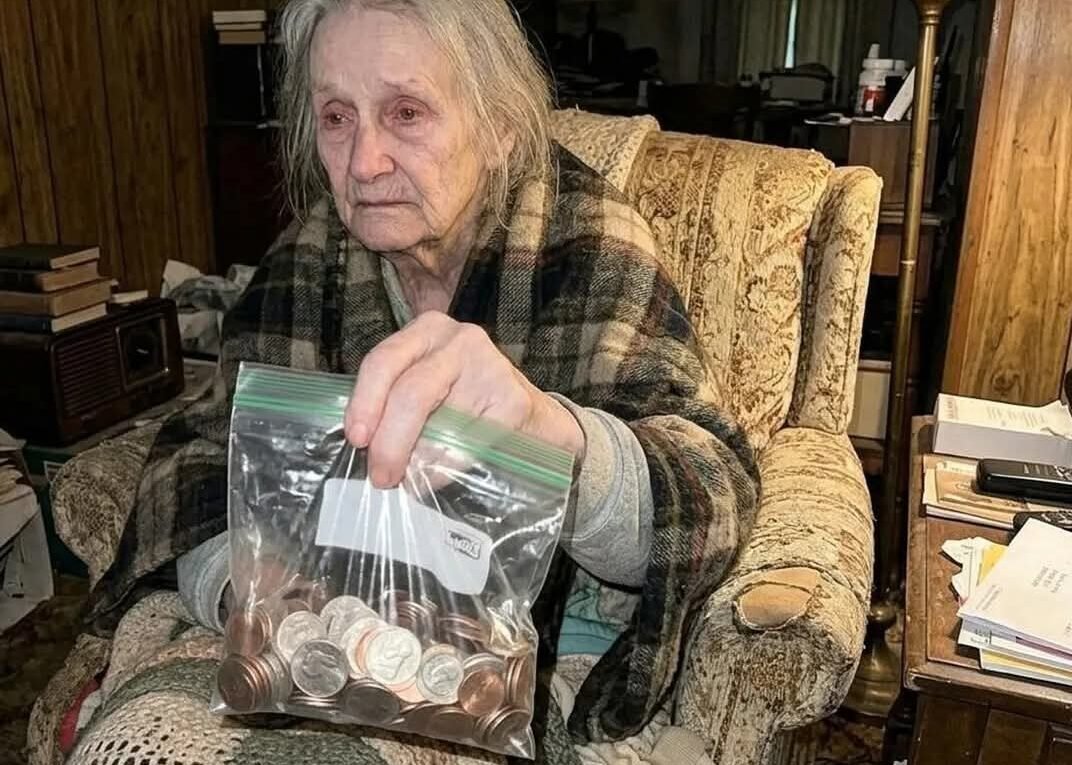
The March air was bitter the night I delivered a pizza to a house so dark and quiet that I nearly thought I had the wrong address. But when an elderly woman invited me inside, I found a home colder than the street outside. She sat bundled beneath layers of blankets in a dim room lit only by a candle, her refrigerator nearly empty and her heat turned off to save money for medication. She tried to pay for her dinner with a sandwich bag full of coins, carefully counted and recounted. Watching her smile at the warmth of that pizza broke something in me. I told her not to worry about paying, left the food behind, and walked back to my car with a feeling I couldn’t shake. No one should have to live like that and call it “fine.” So instead of driving away, I reported what I had seen and asked authorities to check on her welfare.
Minutes later, I drove past her house and saw flashing ambulance lights outside. Paramedics were helping her from the house when she spotted me and pointed with trembling anger. “This is your fault,” she cried, convinced I had betrayed her trust. Her neighbors, who had gathered outside, turned on me too, accusing me of meddling in something that wasn’t my business. I drove away shaken, replaying her words in my head and wondering if I had made everything worse. For days afterward, I questioned myself. Maybe I should have minded my own business. Maybe helping someone who didn’t want help had been the wrong thing after all.
A week later, I was stunned when another delivery sent me back to the same address. This time the porch light glowed warmly. When I stepped inside, the house was transformed. Heat filled the rooms. Groceries lined the kitchen counters. Neighbors moved through the house carrying supplies, adjusting heaters, and helping with chores. The woman sat in her chair again, but now she looked stronger, her face softer, two children laughing at her feet while she taught them to knit. The same neighbors who had criticized me now admitted they had failed to notice how much she had been struggling until that night forced them to confront it. They had organized meal schedules, arranged county support visits, and committed to checking on her daily.
Then the woman reached for my hand and smiled through watery eyes. She told me the doctors had said things could have ended much worse if no one had intervened. She apologized for blaming me and thanked me for being the only person willing to act when everyone else had looked away. Standing in that warm room, I learned something I’ve never forgotten: doing the right thing does not always feel good in the moment. Sometimes people resent being helped. Sometimes the truth hurts before it heals. But compassion is not measured by how comfortable it makes others feel—it is measured by whether you cared enough to act when someone needed you most.