

He watched his brother die and battled a daily addiction of 100 pills — yet he rose to become one of the greatest stars we’ve ever seen
From the cotton fields of Arkansas to the world’s biggest stages, Johnny Cash built a life that was as raw and powerful as the music he created. His story isn’t simply one of fame—it’s one of hardship, loss, redemption, and an unwavering connection to the human experience.
A Childhood Marked by Hardship
Born in 1932 in Kingsland, Cash grew up in a large, struggling family where work began early and survival required resilience. By the age of five, he was already laboring in the fields, absorbing the rhythms of rural life that would later echo through his songs.
Music entered his life quietly but deeply—through family gatherings, hymns, and a simple radio. Even as a child, he was already writing, already listening, already becoming something more.
The Tragedy That Changed Everything
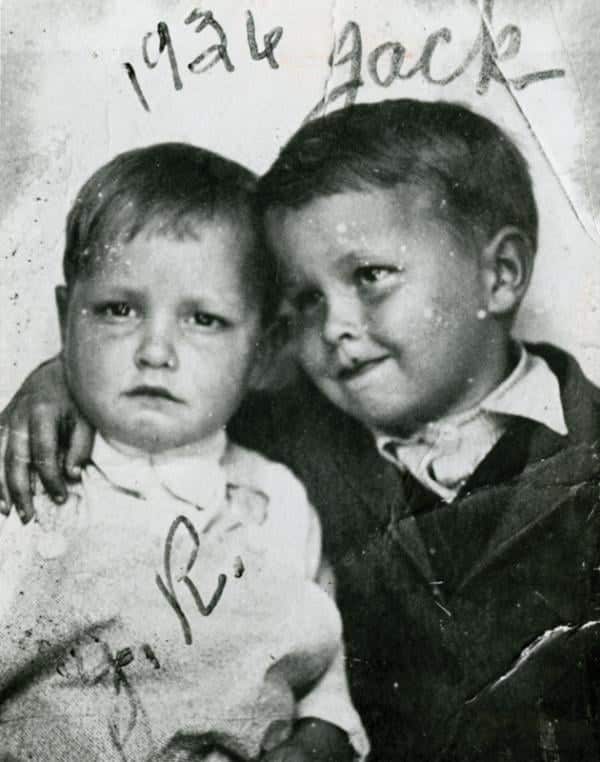
At just 14, Cash experienced a loss that would shape his entire life: the death of his older brother, Jack Cash.
The accident—sudden and brutal—left a permanent mark. Jack had been a guiding figure, someone deeply admired. His death introduced grief, guilt, and reflection into Cash’s life at an early age.
It also changed his music.
From that moment forward, there was always a deeper layer in his voice—something heavy, searching, and honest.

From Air Force to Memphis
After serving in the military during the Korean War, Cash discovered his calling more clearly. While stationed abroad, he bought his first guitar—an ordinary purchase that would lead to an extraordinary future.
Eventually, he moved to Memphis, where he balanced everyday work with relentless pursuit of music. His breakthrough came when Sun Records recognized something unique in him—a voice that didn’t just sing, but told the truth.
Songs like I Walk the Line and Folsom Prison Blues didn’t just entertain—they connected, especially with people who felt unseen or unheard.
Fame, Struggle, and Redemption
Success came quickly, but it wasn’t without consequence.
Behind the fame, Cash battled addiction—struggles that nearly cost him everything. He later reflected on that period with striking honesty, acknowledging how close he came to losing his life.
What followed, however, was one of the most powerful comebacks in music history.
With the support of June Carter Cash, he rebuilt himself—personally and professionally. Together, they created not only music, but stability.


A Voice for the Forgotten
What set Cash apart wasn’t just his sound—it was his perspective.
He sang about prisoners, workers, outcasts, and the broken-hearted. His famous performances at places like Folsom Prison weren’t symbolic—they were intentional.
He understood struggle because he had lived it.
That authenticity made him more than a performer. It made him a voice.
Love, Loss, and Final Years
Cash’s life was deeply intertwined with love, particularly his bond with June. When she passed away in 2003, it marked a quiet but profound turning point.
Just months later, he followed her.
By then, his legacy was already firmly established—not just through decades of music, but through his late-career reinvention, introducing his voice to entirely new audiences.

More Than a Legend
Looking back, it becomes clear that Johnny Cash was never just a country artist.
He was a storyteller shaped by pain.
A man who carried loss into art.
A voice that refused to ignore the difficult parts of life.
And perhaps that’s why his music still resonates today—because it doesn’t pretend life is easy.
It simply tells the truth about it.